Amsterdam Travel Guide
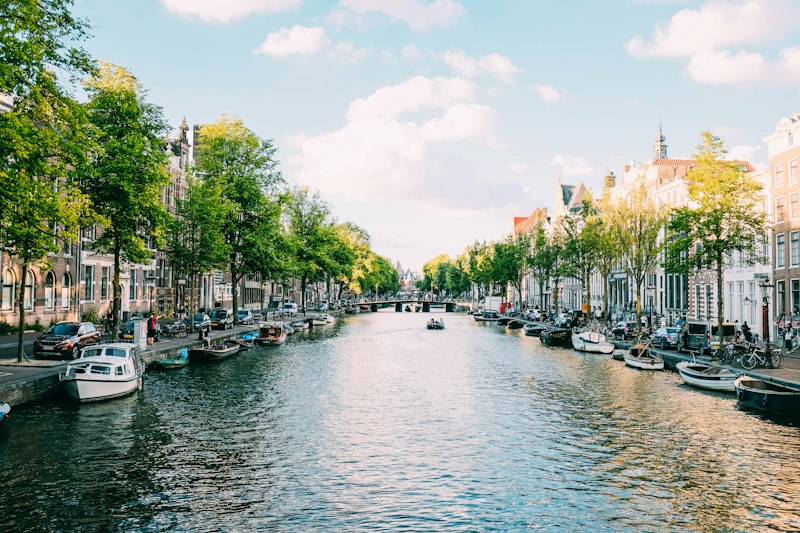
Amsterdam is a vibrant city known for its picturesque canals, rich history, and eclectic culture. It's a place where you can easily spend days exploring world-class museums, enjoying the lively café scene, and wandering through charming neighborhoods. The city's relaxed vibe and compact size make it perfect for walking or biking, giving you a unique perspective on its beauty and charm.
About Amsterdam
Amsterdam is a vibrant city known for its picturesque canals, rich history, and eclectic culture. It's a place where you can easily spend days exploring world-class museums, enjoying the lively café scene, and wandering through charming neighborhoods. The city's relaxed vibe and compact size make it perfect for walking or biking, giving you a unique perspective on its beauty and charm.
This guide covers the neighborhoods worth your time, when to actually go, how to get around, what to eat, what it costs, and the rookie mistakes most first-timers in Amsterdam make. Built to be paired with Elvara — the AI trip planner app for iPhone — so you can turn it into a personalized itinerary in a tap.
Neighborhoods to know in Amsterdam
Picking the right neighborhood is the single biggest decision you'll make in Amsterdam. Here's what each one is actually like:
- Jordaan. Famous for its narrow streets, independent art galleries, and cozy cafés, this area is perfect for those seeking a local experience.
- De Pijp. Home to the bustling Albert Cuyp Market, this multicultural neighborhood is a foodie’s paradise with plenty of international cuisine.
- Museumplein. The cultural heart of the city, featuring the Rijksmuseum and Van Gogh Museum, ideal for art lovers.
- Red Light District. Known for its legal sex work and vibrant nightlife, it's a unique area that attracts curious visitors.
- NDSM Wharf. A former shipyard turned creative hub, great for those interested in street art and alternative culture.
- Vondelpark. The largest park in Amsterdam, perfect for relaxation, picnics, and outdoor activities.
When to visit Amsterdam
Best months: April, May, June, July, August, September.
The best time to visit Amsterdam is from April to May and September to October. During these months, the weather averages between 15-20°C (59-68°F), making it comfortable for exploring. April features the famous Tulip Festival, while September hosts several cultural events. Crowds are manageable compared to the peak summer months, and prices for accommodation and attractions tend to be lower, especially in early September.
Getting around Amsterdam
Amsterdam boasts an efficient public transit system including trams, buses, and ferries operated by GVB. A single ticket costs around €3.20 ($3.50) and is valid for 1 hour. Taxis and rideshares like Uber are available, with average fares around €15-25 ($16-27) for short distances. The city is very walkable, but be cautious of bike lanes where cyclists have the right of way. Avoid renting a car, as parking is scarce and expensive.
What to eat in Amsterdam
Dutch cuisine includes stroopwafels, bitterballen, herring, and cheese. Indonesian influence is strong (rijsttafel). Excellent international dining.
- Haring. Raw herring fish served with onions and pickles, best enjoyed at Haringhandel Frens or a street vendor.
- Stroopwafels. Thin waffle cookies filled with caramel syrup, ideal from the market stalls at Albert Cuyp.
- Bitterballen. Deep-fried balls filled with beef ragout, a must-try bar snack at local pubs like Café de Klos.
- Poffertjes. Small, fluffy pancakes often served with powdered sugar, delicious at a stall in Vondelpark.
- Patat. Thick-cut fries typically served with a variety of sauces, best at Vlaams Friteshuis Vleminckx.
- Kroket. A deep-fried roll filled with meat ragout, often sold at snack bars throughout the city.
Street food tips
Albert Cuyp Market for street food. FEBO automat walls for late-night snacks. Haring stands for raw herring.
Is Amsterdam safe? What to watch for
Amsterdam is generally safe, but it's wise to stay vigilant in busy areas like the Red Light District and Dam Square after dark. Scams can include pickpockets near tourist hotspots or people asking for donations. Always avoid unsolicited help with your luggage or directions. For emergencies, dial 112 for police, fire, or medical assistance.
Common scams
Street dealers selling fake substances. Pickpocketing near Central Station. Overpriced canal tours.
Emergency numbers
Emergency: 112, Police: 0900-8844
How much does Amsterdam cost?
Three rough daily-spend tiers — accommodation, food, and getting around — to help you set a realistic budget.
- Budget. $50-80/day: hostel dorm, street food, public transit
- Mid-range. $100-200/day: boutique hotel, casual dining, tram/bike rental
- Luxury. $250+/day: upscale hotel, fine dining, private tours
Customs, etiquette, and what to wear
Local customs
Cycling rules! Stay out of bike lanes. Direct communication is normal, not rude. Tolerance is valued.
Dress code
Casual and practical. Dress for rain. Cycling-friendly clothing. Smart casual for dining.
Tipping
Service included but rounding up is common. 5-10% for excellent service.
Do's and don'ts
Do: Rent a bike, visit Van Gogh Museum, try stroopwafels. Don't: Walk in bike lanes, photograph the Red Light District workers, buy from street dealers.
Common mistakes to avoid in Amsterdam
The patterns that catch out first-time visitors:
- Underestimating the bike traffic; it's more intense than you expect.
- Not validating your public transport ticket before boarding.
- Skipping the local markets and only eating at tourist restaurants.
- Assuming all museums are open late; check hours before visiting.
- Ignoring the weather; rain can happen unexpectedly any time of year.
- Forgetting to check if attractions require advance booking, especially in peak seasons.
Practical info for travelers
Visa
Schengen zone - standard visa rules.
Health
Excellent healthcare. Tap water is safe and excellent quality. No special precautions needed.
Useful local phrases
Hoi/Hallo (Hello), Dank je wel (Thank you), Dag (Goodbye), Gezellig (Cozy/Nice atmosphere - untranslatable!)
A short history of Amsterdam
Golden Age trading powerhouse. Anne Frank House. World's first stock exchange. Canal ring is UNESCO-listed.
Amsterdam travel FAQs
What is the best way to get from Schiphol Airport to the city center?
The most convenient way is to take the train, which runs every 10-15 minutes and costs around €5.50 ($6). It takes about 15-20 minutes to reach Amsterdam Central Station.
Are there free things to do in Amsterdam?
Yes, you can visit attractions like Vondelpark, explore the Jordaan neighborhood, or walk along the canals for free. Many museums offer free entry on specific days.
Is it safe to bike in Amsterdam?
Yes, biking is safe and very popular, but always stay in bike lanes and be aware of surrounding traffic. Rent a bike from reputable shops like MacBike.
What should I know about the Red Light District?
The Red Light District is a legal sex work area; be respectful and avoid taking photos of sex workers. It's best visited in the evening to experience its lively atmosphere.
What is the local currency and should I tip?
The local currency is the Euro (EUR). Tipping is not mandatory, but rounding up the bill or leaving around 10% for excellent service is appreciated.
Can I drink tap water in Amsterdam?
Yes, tap water in Amsterdam is safe to drink and of high quality, so feel free to refill your water bottle.
Plan your trip to Amsterdam with Elvara
Once you have a sense of Amsterdam, the next step is turning the inspiration into a real itinerary: dates, neighborhoods, restaurants, what to pack, and how to get around. That's exactly what Elvara is built for. Tell the app your travel style, dates, and budget, and it produces a personalized day-by-day plan, a packing list tuned to Amsterdam's weather, and a chat that knows Amsterdam's neighborhoods, customs, and quirks.
Plan your trip to Amsterdam with Elvara
Get a personalized day-by-day itinerary, smart packing list, and on-the-ground travel intelligence.
