Bangkok Travel Guide
Bangkok is an exhilarating blend of ancient traditions and modern chaos, where ornate temples coexist with bustling street markets. You can spend your days exploring the Grand Palace, savoring street food, or hopping on a boat along the Chao Phraya River. The energy here is contagious, making it a city that captivates every type of traveler, from backpackers to luxury seekers.
About Bangkok
Bangkok is an exhilarating blend of ancient traditions and modern chaos, where ornate temples coexist with bustling street markets. You can spend your days exploring the Grand Palace, savoring street food, or hopping on a boat along the Chao Phraya River. The energy here is contagious, making it a city that captivates every type of traveler, from backpackers to luxury seekers.
This guide covers the neighborhoods worth your time, when to actually go, how to get around, what to eat, what it costs, and the rookie mistakes most first-timers in Bangkok make. Built to be paired with Elvara — the AI trip planner app for iPhone — so you can turn it into a personalized itinerary in a tap.
Neighborhoods to know in Bangkok
Picking the right neighborhood is the single biggest decision you'll make in Bangkok. Here's what each one is actually like:
- Khao San Road. Known as the backpacker hub, it's famous for budget accommodations and vibrant nightlife.
- Sukhumvit. A bustling district filled with high-end shopping, international restaurants, and nightlife options.
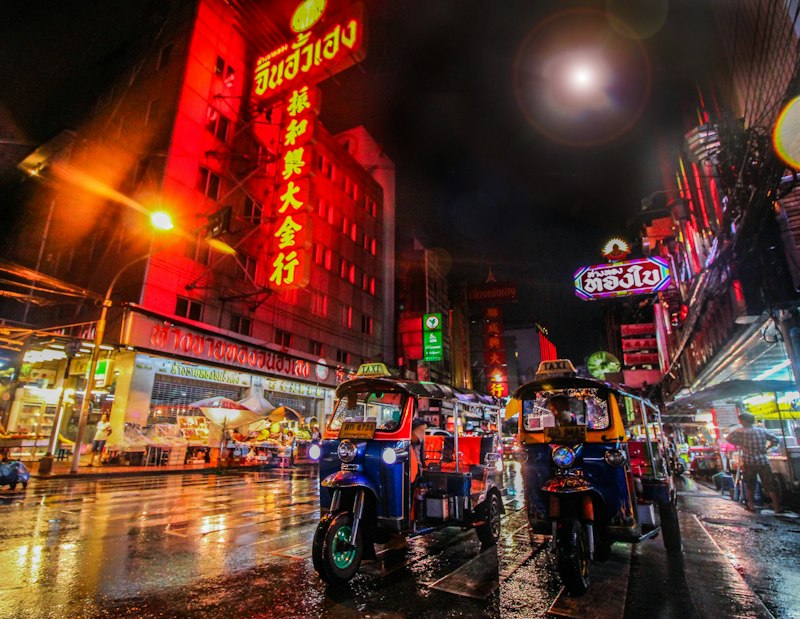
- Chinatown (Yaowarat). A culinary paradise, renowned for its street food and gold shops.
- Riverside. Offers stunning views of the Chao Phraya River and luxurious hotels.
- Silom. The business district by day, transforming into a lively nightlife scene after dark.
- Banglamphu. A quieter area with a mix of cultural sites and local markets, perfect for laid-back travelers.
When to visit Bangkok
Best months: November, December, January, February.
The best time to visit Bangkok is from November to February when temperatures average 25-30°C (77-86°F) and humidity is lower. This period coincides with the popular Loy Krathong festival in November and the Chinese New Year, attracting fewer crowds compared to the peak tourist months. Prices for accommodations are also more reasonable during these cooler months, making it an ideal time for exploration.
Getting around Bangkok
To get around Bangkok, use the BTS Skytrain and MRT subway systems, which are efficient and affordable (around 16-59 THB or $0.50-$1.75 per ride). Taxis are available, with average fares starting at around 35 THB ($1), but avoid traffic-heavy areas during peak hours. While some neighborhoods are walkable, always be cautious of street vendors and uneven sidewalks.
What to eat in Bangkok
Bangkok is arguably the world's best street food city. Pad Thai, green curry, som tam, mango sticky rice - flavors are bold, fresh, and complex.
- Pad Thai. Stir-fried rice noodles often served with shrimp or chicken, best tried at Thip Samai.
- Tom Yum Goong. Spicy and sour shrimp soup, famously served at T&K Seafood in Chinatown.
- Som Tum. Spicy green papaya salad available at numerous street stalls, especially at Soi Rambuttri.
- Massaman Curry. A rich, coconut-based curry, popular at restaurants like Baan Khanitha.
- Mango Sticky Rice. A sweet dessert made from glutinous rice and fresh mango, a must-try at Mae Varee.
- Boat Noodles. A flavorful noodle soup enjoyed along the canals, particularly at Victory Monument.
Street food tips
Yaowarat (Chinatown) for the best street food. Look for busy stalls with high turnover. Victory Monument area for after-dark eating.
Is Bangkok safe? What to watch for
While Bangkok is generally safe, avoid walking alone in Khao San Road late at night and be cautious in Sukhumvit's alleyways. Common scams include tuk-tuk drivers offering overly cheap tours and gem shop schemes. Always agree on taxi fares in advance if the meter is not used. For emergencies, dial 191 for police assistance.
Common scams
Tuk-tuk drivers diverting to gem shops. Grand Palace 'closed today' scam. Jet ski damage scams in islands.
Emergency numbers
Emergency: 1669, Tourist Police: 1155, Police: 191
How much does Bangkok cost?
Three rough daily-spend tiers — accommodation, food, and getting around — to help you set a realistic budget.
- Budget. $40-70/day: hostel dorm, street food, public transit
- Mid-range. $70-150/day: boutique hotels, mix of street food and restaurants, taxis
- Luxury. $150+/day: upscale hotels, fine dining, private tours
Customs, etiquette, and what to wear
Local customs
Don't touch anyone's head. Don't point feet at people or Buddha images. Always stand for the royal anthem.
Dress code
Casual but cover up for temples (shoulders, knees). Remove shoes before entering temples and homes.
Tipping
Not expected but appreciated. Round up bills. 20-50 baht for small services. Hotel porters 20-50 baht.
Do's and don'ts
Do: Visit temples early morning, try street food, use the BTS/MRT. Don't: Disrespect the monarchy, touch heads, point with feet.
Common mistakes to avoid in Bangkok
The patterns that catch out first-time visitors:
- Not trying street food, which is often more authentic and delicious than restaurant options.
- Ignoring the dress code when visiting temples, which requires modest attire.
- Overlooking the river taxis, which can save time and provide a unique view of the city.
- Assuming all taxis will use a meter; always confirm beforehand.
- Underestimating traffic, especially when planning to travel during rush hours.
- Not bargaining at markets, as haggling is part of the shopping culture.
- Overpacking for the weather, as Bangkok is hot and humid year-round.
Practical info for travelers
Visa
Many nationalities can enter visa-free for 30-60 days. Visa on arrival available for some.
Health
Drink bottled water. Be cautious with ice from street vendors. Use mosquito repellent. Bangkok hospitals are excellent.
Useful local phrases
Sawasdee khrap/ka (Hello), Khop khun khrap/ka (Thank you), Wai (prayer-like greeting gesture)
A short history of Bangkok
Founded in 1782 by King Rama I. Full ceremonial name is the world's longest city name. Has been Thailand's capital for over 240 years.
Bangkok travel FAQs
What is the best way to exchange currency in Bangkok?
The best way to exchange currency in Bangkok is at authorized exchange booths, which often offer better rates than banks or hotels. Look for booths that charge no commission, and avoid exchanging cash at the airport due to lower rates.
How much does a taxi cost from Suvarnabhumi Airport to the city center?
A taxi from Suvarnabhumi Airport to the city center typically costs between 300-500 THB ($9-$15) depending on traffic and your specific destination. Make sure to use the official taxi queue outside the arrivals area.
Is it safe to drink tap water in Bangkok?
It's not recommended to drink tap water in Bangkok. Stick to bottled water, which is widely available, or use a water filter to ensure safety.
What area should I stay in for nightlife?
Sukhumvit and Silom are the best areas for nightlife, offering a range of bars, clubs, and entertainment options, catering to both locals and tourists.
When is the best time to see the Grand Palace?
The Grand Palace is best visited early in the morning, right when it opens at 8:30 AM, to avoid the crowds and the heat. Aim to get there at least 30 minutes before opening.
What is the dress code for temples in Bangkok?
When visiting temples in Bangkok, wear modest clothing covering shoulders and knees. Long pants and sleeves are recommended, and sarongs can be rented or purchased at many temple entrances.
Plan your trip to Bangkok with Elvara
Once you have a sense of Bangkok, the next step is turning the inspiration into a real itinerary: dates, neighborhoods, restaurants, what to pack, and how to get around. That's exactly what Elvara is built for. Tell the app your travel style, dates, and budget, and it produces a personalized day-by-day plan, a packing list tuned to Bangkok's weather, and a chat that knows Bangkok's neighborhoods, customs, and quirks.
Plan your trip to Bangkok with Elvara
Get a personalized day-by-day itinerary, smart packing list, and on-the-ground travel intelligence.
