Buenos Aires Travel Guide
Buenos Aires is a vibrant city blending European charm with Latin American energy. From its bustling streets to its rich cultural heritage, every neighborhood offers something unique. You’ll find tango dancing on the sidewalks, delicious food to savor, and a lively arts scene waiting to be explored. It’s a city that invites you to dive into its rhythms and flavors, making every moment feel alive.
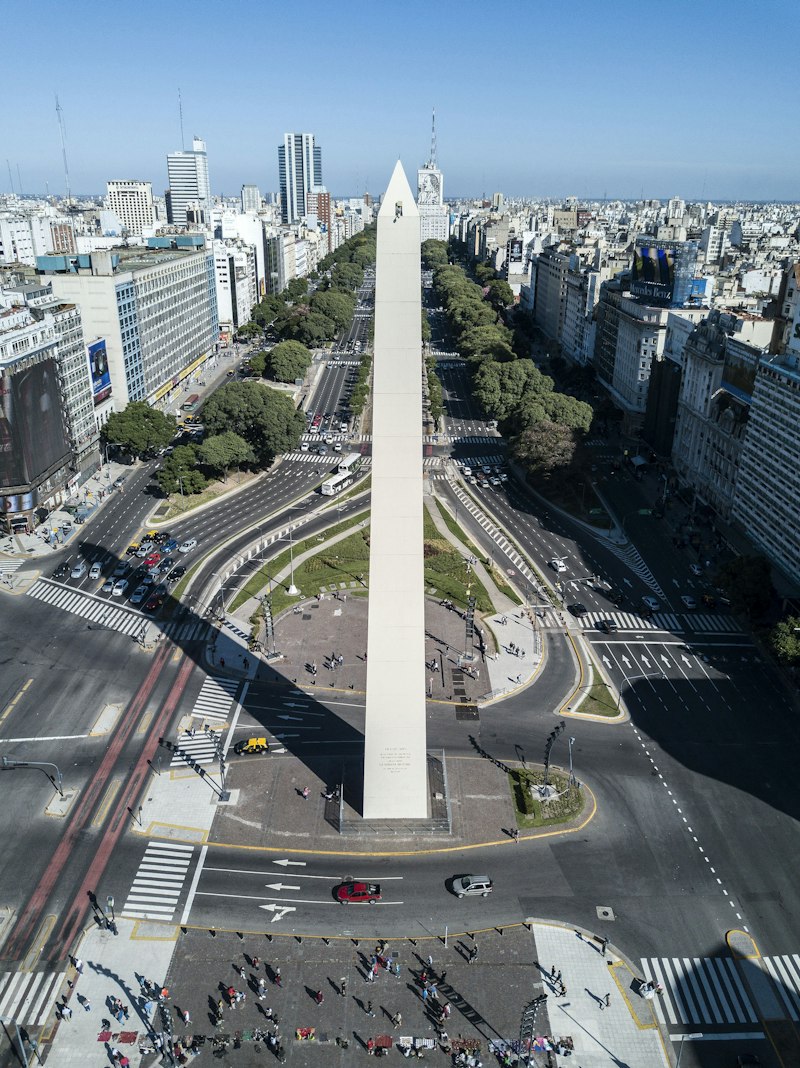
About Buenos Aires
Buenos Aires is a vibrant city blending European charm with Latin American energy. From its bustling streets to its rich cultural heritage, every neighborhood offers something unique. You’ll find tango dancing on the sidewalks, delicious food to savor, and a lively arts scene waiting to be explored. It’s a city that invites you to dive into its rhythms and flavors, making every moment feel alive.
This guide covers the neighborhoods worth your time, when to actually go, how to get around, what to eat, what it costs, and the rookie mistakes most first-timers in Buenos Aires make. Built to be paired with Elvara — the AI trip planner app for iPhone — so you can turn it into a personalized itinerary in a tap.
Neighborhoods to know in Buenos Aires
Picking the right neighborhood is the single biggest decision you'll make in Buenos Aires. Here's what each one is actually like:
- Palermo. Known for its trendy bars, parks, and artistic vibe, this neighborhood is perfect for young travelers and foodies.
- San Telmo. Famous for its cobblestone streets and antique shops, this area attracts history buffs and those seeking an authentic tango experience.
- Recoleta. Home to elegant architecture and the iconic Recoleta Cemetery, it’s ideal for those who appreciate culture and history.
- La Boca. Colorful and lively, this district is known for its street art and the Caminito street, appealing to art lovers and tourists.
- Microcentro. The city's financial hub, it's great for shopping, dining, and seeing landmarks like the Obelisco.
- Belgrano. This residential neighborhood offers a quieter atmosphere with parks and local eateries, perfect for families.
When to visit Buenos Aires
Best months: March, April, May, September, October, November.
The best time to visit Buenos Aires is from March to May and September to November. During these months, temperatures range from 15-25°C (59-77°F), making it comfortable for exploring. You'll also catch the city’s cultural festivals, like the Buenos Aires International Festival of Independent Cinema in April. Prices tend to be lower compared to the peak summer months of December to February, when tourist crowds swell and hotel rates increase significantly.
Getting around Buenos Aires
Buenos Aires has an extensive public transportation system, including the Subte (metro), buses, and commuter trains. The Subte is affordable, with a single fare around ARS 50 (about USD 0.15). Taxis and rideshares like Uber are also available, costing approximately ARS 300-500 (USD 1-1.50) for short trips. The city is walkable, especially in neighborhoods like Palermo and Recoleta, but avoid walking alone late at night in areas like La Boca or certain parts of San Telmo.
What to eat in Buenos Aires
Argentina is famous for beef - asado (BBQ) is a weekend ritual. Empanadas, dulce de leche, and world-class Malbec wine.
- Asado. A traditional Argentine barbecue featuring various meats, best enjoyed at a parrilla like Don Julio.
- Empanadas. Savory pastries filled with meat or cheese, a must-try at places like El Sanjuanino.
- Milanesa. Breaded and fried meat cutlet, similar to schnitzel, popular at restaurants like La Mezzetta.
- Dulce de Leche. A caramel-like spread used in desserts, try it at heladerías like Heladería Grido.
- Choripán. A chorizo sandwich popular at street stalls, especially during weekend markets like Feria de Mataderos.
Street food tips
Street corner parrilla (grill) stands for choripán. Empanada shops throughout the city. Ice cream (helado) is excellent.
Is Buenos Aires safe? What to watch for
While Buenos Aires is generally safe, avoid walking alone in La Boca and certain areas of San Telmo after dark. Be cautious of pickpockets, particularly in crowded places like the Subte and tourist attractions. Common scams include fake charity collectors and unofficial taxi drivers. In case of emergencies, dial 911 for police assistance.
Common scams
Mustard scam (someone 'accidentally' squirts you). Fake bills in change. Unofficial money changers with poor rates.
Emergency numbers
Emergency: 911, Police: 101, Ambulance: 107
How much does Buenos Aires cost?
Three rough daily-spend tiers — accommodation, food, and getting around — to help you set a realistic budget.
- Budget. $40-70/day: hostel dorm, street food, public transit
- Mid-range. $80-150/day: boutique hotels, casual dining, taxis
- Luxury. $250+/day: luxury hotels, fine dining, private tours
Customs, etiquette, and what to wear
Local customs
Late dinners (after 9pm). Kiss on the cheek for greetings. Mate tea is a social ritual. Weekend asados are sacred.
Dress code
Stylish and fashionable. Porteños dress well. Smart casual for dining. Leather jackets are iconic.
Tipping
10% at restaurants. Small tips for doormen and delivery people.
Do's and don'ts
Do: Watch a tango show, try asado, visit Recoleta Cemetery. Don't: Rush meals, compare it to Brazil, refuse mate.
Common mistakes to avoid in Buenos Aires
The patterns that catch out first-time visitors:
- Underestimating travel times due to traffic, especially during rush hour.
- Not trying the local parillas for an authentic asado experience.
- Forgetting to carry cash, as many small vendors don’t accept cards.
- Assuming all neighborhoods are safe at night without checking local advice.
- Neglecting to use sunscreen during summer months, as the sun can be intense.
- Overpacking for the warm climate, as most places are casual and laid-back.
- Not learning a few basic Spanish phrases, which can enhance your interactions.
Practical info for travelers
Visa
Many nationalities can visit visa-free for 90 days.
Health
Good private healthcare. Tap water is safe. No special vaccinations needed. Travel insurance recommended.
Useful local phrases
Che (informal hey), ¿Cómo andás? (How are you?), Buenas (informal hello)
A short history of Buenos Aires
Founded in 1536. Strong European immigration shaped the culture. Political turbulence, Eva Perón, and tango define the city's identity.
Buenos Aires travel FAQs
What is the best way to exchange money in Buenos Aires?
The best way to exchange money in Buenos Aires is to use official exchange houses (casas de cambio) or withdraw cash at ATMs. Avoid exchanging money on the street to prevent scams.
Is it safe to walk around Buenos Aires at night?
While many areas are safe, it's advisable to avoid certain neighborhoods like La Boca and parts of San Telmo after dark. Stick to well-lit streets and consider taking a taxi if you're unsure.
What is the local transportation like in Buenos Aires?
Buenos Aires has a reliable public transportation system, including the Subte (metro), buses, and trains. A single Subte ride costs around ARS 50 (USD 0.15). Taxis and rideshares are also widely available.
What should I wear in Buenos Aires?
Buenos Aires is generally casual, but locals often dress stylishly. In warmer months, lightweight clothing is advisable, while fall and winter may require layers due to cooler temperatures.
What are the must-see attractions in Buenos Aires?
Key attractions include the Recoleta Cemetery, Plaza de Mayo, and the colorful Caminito in La Boca. Don’t miss a tango show or a visit to a local parrilla for traditional Argentine cuisine.
How can I experience tango in Buenos Aires?
You can experience tango by attending a show at venues like El Querandí or taking a class at La Viruta. Street performances are also common, especially in San Telmo and La Boca.
Plan your trip to Buenos Aires with Elvara
Once you have a sense of Buenos Aires, the next step is turning the inspiration into a real itinerary: dates, neighborhoods, restaurants, what to pack, and how to get around. That's exactly what Elvara is built for. Tell the app your travel style, dates, and budget, and it produces a personalized day-by-day plan, a packing list tuned to Buenos Aires's weather, and a chat that knows Buenos Aires's neighborhoods, customs, and quirks.
Plan your trip to Buenos Aires with Elvara
Get a personalized day-by-day itinerary, smart packing list, and on-the-ground travel intelligence.
