Istanbul Travel Guide
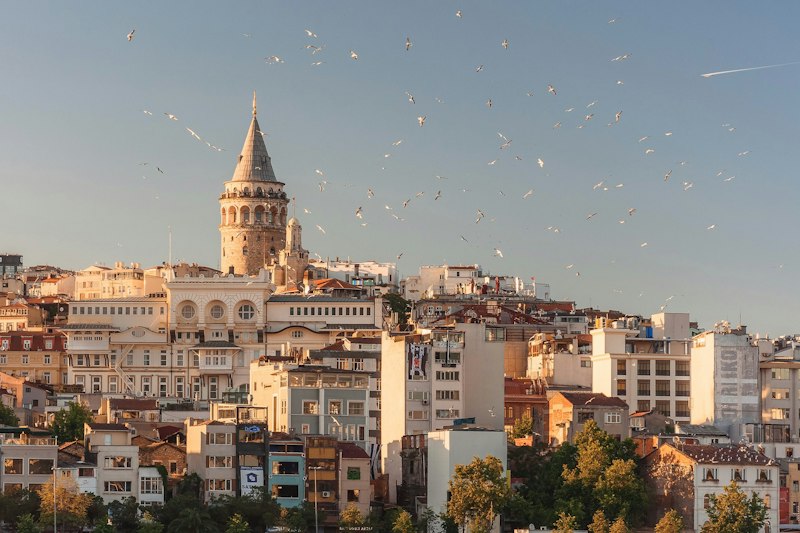
Istanbul is a captivating blend of East and West, where ancient history meets vibrant modern life. Wander through its bustling bazaars, explore stunning mosques, and enjoy delicious street food. As a city that straddles two continents, Istanbul offers a unique cultural experience that’s both familiar and exotic. You'll find the warmth of Turkish hospitality around every corner, making your journey unforgettable.
About Istanbul
Istanbul is a captivating blend of East and West, where ancient history meets vibrant modern life. Wander through its bustling bazaars, explore stunning mosques, and enjoy delicious street food. As a city that straddles two continents, Istanbul offers a unique cultural experience that’s both familiar and exotic. You'll find the warmth of Turkish hospitality around every corner, making your journey unforgettable.
This guide covers the neighborhoods worth your time, when to actually go, how to get around, what to eat, what it costs, and the rookie mistakes most first-timers in Istanbul make. Built to be paired with Elvara — the AI trip planner app for iPhone — so you can turn it into a personalized itinerary in a tap.
Neighborhoods to know in Istanbul
Picking the right neighborhood is the single biggest decision you'll make in Istanbul. Here's what each one is actually like:
- Sultanahmet. Home to iconic landmarks like Hagia Sophia and the Blue Mosque, ideal for first-time visitors.
- Beyoğlu. A lively district known for its nightlife, art galleries, and the historic Istiklal Street.
- Kadıköy. A trendy area on the Asian side, famous for its food scene and local markets.
- Balat. A charming neighborhood with colorful houses and rich history, perfect for photography enthusiasts.
- Ortaköy. Known for its picturesque mosque by the Bosphorus, it’s a great spot for waterfront dining.
- Taksim. The cultural heart of Istanbul, bustling with shops, restaurants, and public events.
- Uskudar. A quieter, more residential area with beautiful waterfront views and historical sites.
When to visit Istanbul
Best months: April, May, September, October, November.
The best time to visit Istanbul is from April to June and September to November. During these months, temperatures range from 15°C to 25°C (59°F to 77°F), making it comfortable for sightseeing. Major events like the Istanbul Music Festival occur in June, while the cooler months see fewer tourists, leading to lower prices and more authentic experiences.
Getting around Istanbul
Istanbul has a well-connected public transit system, including trams, buses, and ferries. The Istanbulkart is a convenient rechargeable card that can be used across all systems. Average taxi fares start at around 30 TL ($1.20) plus distance. The city is walkable in many areas, but be cautious of steep hills and avoid taking taxis at night in less populated neighborhoods.
What to eat in Istanbul
Turkish cuisine is one of the world's great culinary traditions. Kebabs, mezes, baklava, and Turkish breakfast are extraordinary experiences.
- Kebap. Juicy grilled meat skewers, best tried at Zübeyir Ocakbaşı in Taksim.
- Baklava. Delicious layers of pastry filled with nuts and syrup, a must-try at Karaköy Güllüoğlu.
- Simit. A sesame-covered bread ring popular for breakfast, easily found at street vendors.
- Meze. A variety of small dishes served as appetizers, perfect at meyhane pubs like Ciya Sofrası.
- Döner. Marinated meat cooked on a vertical rotisserie, best enjoyed at Dönerci Şahin Usta.
- Manti. Turkish dumplings usually topped with yogurt and garlic, try them at Tandır Restaurant.
- Çay. Traditional Turkish tea served in small glasses, found in cafes throughout the city.
Street food tips
Simit (sesame bread rings) from street vendors. Balık ekmek (fish sandwich) at Eminönü. Roasted chestnuts in winter.
Is Istanbul safe? What to watch for
Istanbul is generally safe, but avoid walking alone in neighborhoods like Taksim late at night. Be cautious of pickpockets in crowded areas like the Grand Bazaar. Common scams include overly friendly locals offering unsolicited help or taxi drivers who take longer routes. For emergencies, call 112 for medical assistance or 155 for police.
Common scams
Shoe shine drop scam. Friendly locals inviting you to expensive bars. Taxi meter manipulation.
Emergency numbers
Emergency: 112, Police: 155, Ambulance: 112
How much does Istanbul cost?
Three rough daily-spend tiers — accommodation, food, and getting around — to help you set a realistic budget.
- Budget. $40-70/day: hostel dorm, street food, public transit
- Mid-range. $100-200/day: boutique hotels, meals at local restaurants, taxis
- Luxury. $300+/day: five-star hotels, fine dining, guided tours
Customs, etiquette, and what to wear
Local customs
Remove shoes when entering mosques and homes. Turkish tea culture is important. Bargaining in bazaars is expected.
Dress code
Modern city - casual to smart casual. Cover shoulders and knees when visiting mosques. Headscarves provided at mosque entrances.
Tipping
5-10% at restaurants. Round up for taxis. Tip hotel staff and tour guides.
Do's and don'ts
Do: Visit Hagia Sophia, try Turkish breakfast, haggle at the Grand Bazaar. Don't: Disrespect mosques, refuse tea, rush through meals.
Common mistakes to avoid in Istanbul
The patterns that catch out first-time visitors:
- Underestimating the traffic congestion, which can delay your plans significantly.
- Not carrying cash, as many small vendors and cafes do not accept credit cards.
- Overlooking local eateries in favor of tourist traps around major attractions.
- Ignoring the dress code for mosque visits, which requires modest attire.
- Failing to haggle in the Grand Bazaar, as it’s part of the shopping culture.
- Relying solely on English, as knowing a few Turkish phrases can enhance your experience.
- Not using the ferry system, which offers scenic views and a unique way to navigate the city.
Practical info for travelers
Visa
e-Visa available for many nationalities. Some countries visa-free for 90 days.
Health
Good healthcare in private hospitals. Tap water is generally safe but many prefer bottled. Pharmacies are helpful.
Useful local phrases
Merhaba (Hello), Teşekkür ederim (Thank you), Hoş geldiniz (Welcome)
A short history of Istanbul
As Constantinople, it was the capital of the Roman, Byzantine, and Ottoman empires. Few cities have such a rich layered history spanning over 2,500 years.
Istanbul travel FAQs
What is the best way to get from the airport to the city?
The Havaist shuttle bus is a convenient option, costing around 50 TL ($2) and taking about 40-60 minutes to reach the city center, depending on traffic.
Is it safe to walk around Istanbul at night?
While many areas like Sultanahmet and Beyoğlu are safe, it's best to avoid poorly lit or deserted streets and stick to popular areas.
What should I wear when visiting mosques in Istanbul?
Dress modestly, covering your shoulders and knees; women should bring a scarf to cover their hair, which is required in some mosques.
Are credit cards widely accepted in Istanbul?
Credit cards are accepted in most restaurants and shops, but it’s advisable to carry cash for small vendors and markets.
What local dishes should I try in Istanbul?
Be sure to try kebap, baklava, and simit; these dishes are iconic and can be found in various eateries across the city.
How much time do I need to explore Istanbul?
A stay of 4-5 days is ideal to see the major attractions and enjoy the local culture without feeling rushed.
What are the public transport options in Istanbul?
Istanbul has trams, buses, metros, and ferries; the Istanbulkart is a useful card that can be used on all transport systems.
Plan your trip to Istanbul with Elvara
Once you have a sense of Istanbul, the next step is turning the inspiration into a real itinerary: dates, neighborhoods, restaurants, what to pack, and how to get around. That's exactly what Elvara is built for. Tell the app your travel style, dates, and budget, and it produces a personalized day-by-day plan, a packing list tuned to Istanbul's weather, and a chat that knows Istanbul's neighborhoods, customs, and quirks.
Plan your trip to Istanbul with Elvara
Get a personalized day-by-day itinerary, smart packing list, and on-the-ground travel intelligence.
