Kyoto Travel Guide
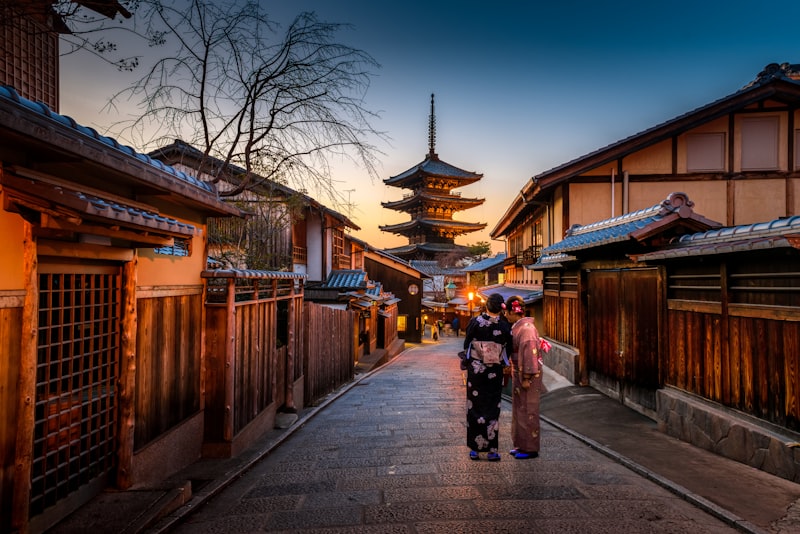
Kyoto is a mesmerizing blend of ancient traditions and modern life, where serene temples coexist with bustling streets. You can wander through the historic Gion district, witness stunning cherry blossoms, and savor exquisite kaiseki cuisine. This city is a living museum, offering a glimpse into Japan's rich cultural heritage. Whether you're exploring the golden Kinkaku-ji or enjoying a quiet moment in a tea house, Kyoto is sure to captivate you.
About Kyoto
Kyoto is a mesmerizing blend of ancient traditions and modern life, where serene temples coexist with bustling streets. You can wander through the historic Gion district, witness stunning cherry blossoms, and savor exquisite kaiseki cuisine. This city is a living museum, offering a glimpse into Japan's rich cultural heritage. Whether you're exploring the golden Kinkaku-ji or enjoying a quiet moment in a tea house, Kyoto is sure to captivate you.
This guide covers the neighborhoods worth your time, when to actually go, how to get around, what to eat, what it costs, and the rookie mistakes most first-timers in Kyoto make. Built to be paired with Elvara — the AI trip planner app for iPhone — so you can turn it into a personalized itinerary in a tap.
Neighborhoods to know in Kyoto
Picking the right neighborhood is the single biggest decision you'll make in Kyoto. Here's what each one is actually like:
- Gion. Known for its traditional wooden machiya houses and geisha culture.
- Arashiyama. Famous for its bamboo grove and picturesque river views.
- Higashiyama. Home to historic temples and charming streets lined with shops.
- Pontocho. A narrow alleyway renowned for its vibrant nightlife and dining options.
- Kyoto Station. The transportation hub with shopping, dining, and modern architecture.
- Nijo Castle. A UNESCO World Heritage site reflecting feudal Japan's power.
When to visit Kyoto
Best months: March, April, October, November.
The best time to visit Kyoto is from March to May and September to November. During spring, temperatures range from 10°C to 20°C (50°F to 68°F), and the cherry blossoms bloom, creating breathtaking scenery. Autumn showcases vibrant foliage, with similar temperatures. Avoid July and August, as humidity and heat can soar above 30°C (86°F), making it uncomfortable for sightseeing. Prices are higher during cherry blossom season and autumn leaf viewing, so book accommodations in advance.
Getting around Kyoto
Kyoto's public transport includes buses and the subway, which are efficient and affordable, with fares around 210 yen ($1.50). Taxis start at 410 yen ($3) but can be expensive for longer distances. The city is quite walkable, especially in tourist areas like Gion and Higashiyama. However, avoid rush hours on buses when they can become overcrowded. Consider renting a bicycle for a more leisurely exploration of the city.
What to eat in Kyoto
Kyoto cuisine (kaiseki) is refined and seasonal. Tofu, matcha, yuba, and traditional sweets are specialties. Tea houses offer authentic experiences.
- Kaiseki. A multi-course meal that beautifully showcases seasonal ingredients, best enjoyed at restaurants like Gion Karyo.
- Yudofu. A simple yet delicious tofu hot pot, often found in the Nanzenji area.
- Yuba. Tofu skin that is a local delicacy, particularly at restaurants in Arashiyama.
- Matcha. Finely ground green tea powder used in various sweets and drinks, available at traditional tea houses in Uji.
- Nishiki Market Snacks. Street food treats like tsukemono (pickled vegetables) and yuba rolls, available at Nishiki Market.
- Soba. Buckwheat noodles served cold or hot, with popular spots like Okakita offering authentic flavors.
Street food tips
Nishiki Market is the kitchen of Kyoto - hundreds of food stalls. Pontocho alley for atmospheric dining.
Is Kyoto safe? What to watch for
Kyoto is generally very safe, but it's wise to be cautious in busy areas like Gion at night due to potential pickpocketing. Avoid dark alleys and poorly lit streets after dark. Common scams include overpriced taxi fares, so always check prices before you board. The emergency number in Japan is 110 for police and 119 for fire and medical emergencies.
Common scams
Very rare. Some overpriced tourist shops near major temples. Always check prices before sitting at restaurants.
Emergency numbers
Police: 110, Ambulance/Fire: 119
How much does Kyoto cost?
Three rough daily-spend tiers — accommodation, food, and getting around — to help you set a realistic budget.
- Budget. $40-70/day: hostel dorm, street food, public transit
- Mid-range. $100-200/day: mid-range hotel, dining at casual restaurants, local transport
- Luxury. $300+/day: upscale hotels, fine dining, private tours
Customs, etiquette, and what to wear
Local customs
Move quietly in temple grounds. Photography may be restricted in some areas. Follow posted rules carefully.
Dress code
Smart casual. Very modest clothing for temple visits. Many visitors rent kimono for the authentic experience.
Tipping
Same as Tokyo - tipping is not customary and may cause confusion.
Do's and don'ts
Do: Walk through Arashiyama bamboo grove, attend a tea ceremony, visit temples early morning. Don't: Touch geisha/maiko, rush through sacred spaces.
Common mistakes to avoid in Kyoto
The patterns that catch out first-time visitors:
- Underestimating travel time between attractions due to Kyoto's expansive layout.
- Visiting popular sites like Fushimi Inari Shrine during peak hours, which can be overcrowded.
- Not trying local specialties like kaiseki or yudofu at their best locations.
- Ignoring the bus system, which can be more convenient than the subway for many attractions.
- Assuming all temples are easily accessible without checking their opening hours.
- Forgetting to bring cash, as some smaller shops and restaurants do not accept credit cards.
- Not allocating enough time for exploring neighborhoods beyond the main tourist spots.
Practical info for travelers
Visa
Same as Tokyo - many countries visa-free for 90 days.
Health
Same excellent Japanese healthcare. Many traditional remedies available at pharmacies.
Useful local phrases
Same as standard Japanese - Konnichiwa, Arigatou gozaimasu
A short history of Kyoto
Capital of Japan for over 1,000 years (794-1868). Home to 17 UNESCO World Heritage Sites. Survived WWII largely intact.
Kyoto travel FAQs
What is the best way to get to Kyoto from Osaka?
The best way to travel from Osaka to Kyoto is by taking the JR Special Rapid Service train from Osaka Station to Kyoto Station, which takes about 29 minutes and costs around 560 yen ($4).
How much time should I spend in Kyoto?
Ideally, spending 3 to 5 days in Kyoto allows you to explore major attractions, enjoy local cuisine, and take day trips to nearby areas like Nara or Arashiyama.
What are the must-see temples in Kyoto?
Key temples include Kinkaku-ji (Golden Pavilion), Ginkaku-ji (Silver Pavilion), and Kiyomizu-dera, each offering unique architecture and beautiful gardens.
Can I rent a kimono in Kyoto?
Yes, many shops in Gion and Higashiyama offer kimono rentals, usually ranging from 3,000 to 7,000 yen ($20-$50) for a few hours, including dressing assistance.
Is Kyoto good for solo travel?
Absolutely, Kyoto is safe and has many attractions that are easily accessible, making it a great destination for solo travelers.
What is the local etiquette when visiting temples?
When visiting temples, be respectful by following rules like removing shoes, speaking softly, and refraining from taking photos where prohibited.
Are there any cultural festivals in Kyoto?
Yes, key festivals include the Gion Matsuri in July, featuring parades and floats, and the Aoi Matsuri in May, showcasing traditional costumes and rituals.
Plan your trip to Kyoto with Elvara
Once you have a sense of Kyoto, the next step is turning the inspiration into a real itinerary: dates, neighborhoods, restaurants, what to pack, and how to get around. That's exactly what Elvara is built for. Tell the app your travel style, dates, and budget, and it produces a personalized day-by-day plan, a packing list tuned to Kyoto's weather, and a chat that knows Kyoto's neighborhoods, customs, and quirks.
Plan your trip to Kyoto with Elvara
Get a personalized day-by-day itinerary, smart packing list, and on-the-ground travel intelligence.
