Marrakech Travel Guide
Marrakech is a vibrant blend of colors, sounds, and scents that captivates your senses. From the bustling souks of the Medina to the serene gardens of the Palmeraie, there's an experience around every corner. You'll find a rich history interwoven with modern Moroccan culture, making it a city that both thrills and soothes. Whether you're here for the food, the architecture, or the local arts, Marrakech offers a unique adventure for every traveler.
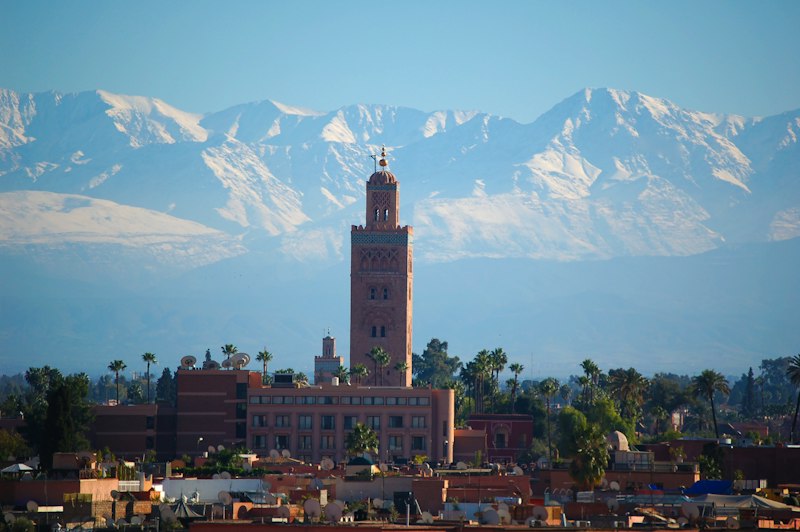
About Marrakech
Marrakech is a vibrant blend of colors, sounds, and scents that captivates your senses. From the bustling souks of the Medina to the serene gardens of the Palmeraie, there's an experience around every corner. You'll find a rich history interwoven with modern Moroccan culture, making it a city that both thrills and soothes. Whether you're here for the food, the architecture, or the local arts, Marrakech offers a unique adventure for every traveler.
This guide covers the neighborhoods worth your time, when to actually go, how to get around, what to eat, what it costs, and the rookie mistakes most first-timers in Marrakech make. Built to be paired with Elvara — the AI trip planner app for iPhone — so you can turn it into a personalized itinerary in a tap.
Neighborhoods to know in Marrakech
Picking the right neighborhood is the single biggest decision you'll make in Marrakech. Here's what each one is actually like:
- Medina. The historic heart of Marrakech, known for its labyrinthine streets and souks.
- Gueliz. The modern district featuring trendy cafes, shops, and art galleries.
- Palmeraie. A tranquil area filled with palm groves, resorts, and upscale accommodations.
- Mellah. The old Jewish quarter, famous for its historical architecture and spice markets.
- Agdal. A quieter neighborhood known for its beautiful gardens and luxury hotels.
- Hivernage. An upscale area with high-end restaurants and nightclubs, perfect for nightlife.
When to visit Marrakech
Best months: March, April, May, October, November.
The ideal time to visit Marrakech is from mid-March to May and September to November. During these months, temperatures are pleasantly warm, averaging 20-30°C (68-86°F), making it perfect for exploring. Additionally, you'll avoid the heavy tourist crowds and benefit from lower prices. Notable events like the Marrakech Popular Arts Festival in July also add a cultural layer to your visit, but be prepared for higher temperatures then.
Getting around Marrakech
Marrakech is quite walkable, especially in the Medina where many attractions are close together. For longer distances, taxis are available, with average fares around 20-50 MAD ($2-5) depending on your destination. Be cautious of unmetered taxis and agree on a price beforehand. Rideshare apps like Uber are not widely used, but local services like Careem are an option. Avoid driving yourself due to heavy traffic and confusing roads.
What to eat in Marrakech
Moroccan cuisine is aromatic and complex. Tagines slow-cooked with spices, couscous on Fridays, pastilla (sweet and savory pastry), and fresh orange juice everywhere.
- Tagine. A slow-cooked stew often made with lamb or chicken, best tried at Le Tobsil.
- Couscous. Steamed semolina served with vegetables and meat, a staple dish at Dar Yacout.
- Harira. A traditional soup made with lentils and chickpeas, ideal at local stalls during Ramadan.
- Pastilla. A sweet and savory pie filled with pigeon or chicken, found at Café Clock.
- Mint Tea. Moroccan green tea infused with mint, served at almost every café and home.
- Mechoui. Succulent spit-roasted lamb, best enjoyed at the outdoor stalls at Jemaa el-Fnaa.
Street food tips
Jemaa el-Fnaa square transforms into a massive open-air food market at night. Try snail soup, grilled meats, and fresh juices.
Is Marrakech safe? What to watch for
While Marrakech is generally safe, avoid walking in the Medina after dark as some alleys can be poorly lit. Be cautious of common scams, such as overly friendly locals offering unsolicited guidance, as they may expect payment. Always agree on prices before accepting services. Keep emergency numbers handy; for police, dial 19. The Gueliz area is safer for nightlife compared to the Medina.
Common scams
Fake guides offering to show you 'the way'. Overpriced goods in tourist souks. Henna artists who demand high prices.
Emergency numbers
Police: 19, Ambulance: 15, Fire: 15, Tourist Police: 0524-384601
How much does Marrakech cost?
Three rough daily-spend tiers — accommodation, food, and getting around — to help you set a realistic budget.
- Budget. $30-60/day: hostel dorm, street food, public transit
- Mid-range. $60-150/day: boutique hotels, local dining, private transport
- Luxury. $150-500+/day: luxury hotels, fine dining, guided tours
Customs, etiquette, and what to wear
Local customs
Use right hand for eating and greeting. Haggling is expected in souks. Remove shoes before entering mosques and homes.
Dress code
Modest dress recommended, especially in the medina. Cover shoulders and knees. Swimwear only at pools/beaches.
Tipping
Tipping is customary. 10-15% at restaurants. Small tips for guides, porters, and riad staff are expected.
Do's and don'ts
Do: Haggle in souks, try mint tea, dress modestly. Don't: Photograph people without permission, enter mosques as non-Muslim, refuse tea.
Common mistakes to avoid in Marrakech
The patterns that catch out first-time visitors:
- Underestimating how much walking you'll do in the Medina's narrow streets.
- Not haggling in the souks; it's expected and part of the shopping experience.
- Ignoring the importance of drinking plenty of water in the dry heat.
- Forgetting to dress modestly when visiting religious sites.
- Relying solely on credit cards; always have cash on hand for small purchases.
- Overlooking the evening atmosphere of Jemaa el-Fnaa, which transforms after sunset.
- Not exploring beyond the tourist hotspots to discover authentic culture.
Practical info for travelers
Visa
Many nationalities can visit visa-free for 90 days. Check with Moroccan embassy for specific requirements.
Health
Drink bottled water. Be cautious with raw vegetables and fruits. Sunscreen essential. Stay hydrated in summer.
Useful local phrases
As-salaam alaikum (Peace be upon you), Shukran (Thank you), La bas (How are you)
A short history of Marrakech
Founded in 1070 by the Almoravid dynasty. The city has been a major political, economic, and cultural center of Morocco for centuries. The iconic red walls were built in the 12th century.
Marrakech travel FAQs
What is the best area to stay in Marrakech?
The Medina is perfect for first-time visitors wanting to be close to major attractions, while Gueliz offers a more modern vibe with restaurants and shops.
Is it safe to walk around Marrakech at night?
While many areas are safe, it's advisable to avoid the Medina after dark due to poorly lit alleyways; stick to busier, well-lit areas.
What currency is used in Marrakech?
The currency in Marrakech is the Moroccan Dirham (MAD). It's best to exchange money upon arrival or withdraw from ATMs.
Do I need a visa to visit Morocco?
Visa requirements vary by nationality; many travelers can enter Morocco visa-free for up to 90 days, but check specific regulations for your country.
What should I wear in Marrakech?
Modest clothing is recommended, especially when visiting religious sites; light, breathable fabrics are ideal for the warm climate.
What is the dress code for visiting mosques?
Visitors should dress conservatively and women are typically required to cover their hair; it's best to wear long sleeves and loose-fitting clothing.
Plan your trip to Marrakech with Elvara
Once you have a sense of Marrakech, the next step is turning the inspiration into a real itinerary: dates, neighborhoods, restaurants, what to pack, and how to get around. That's exactly what Elvara is built for. Tell the app your travel style, dates, and budget, and it produces a personalized day-by-day plan, a packing list tuned to Marrakech's weather, and a chat that knows Marrakech's neighborhoods, customs, and quirks.
Plan your trip to Marrakech with Elvara
Get a personalized day-by-day itinerary, smart packing list, and on-the-ground travel intelligence.
