Mexico City Travel Guide
Mexico City is a vibrant blend of history, culture, and modernity, making it one of the most exciting urban destinations in the world. From ancient Aztec ruins to contemporary art galleries, there’s something for every traveler. Strolling through its bustling streets, you’ll experience the warmth of its people and the richness of its culinary scene. Prepare to be captivated by the city's energy and diversity.
About Mexico City
Mexico City is a vibrant blend of history, culture, and modernity, making it one of the most exciting urban destinations in the world. From ancient Aztec ruins to contemporary art galleries, there’s something for every traveler. Strolling through its bustling streets, you’ll experience the warmth of its people and the richness of its culinary scene. Prepare to be captivated by the city's energy and diversity.
This guide covers the neighborhoods worth your time, when to actually go, how to get around, what to eat, what it costs, and the rookie mistakes most first-timers in Mexico City make. Built to be paired with Elvara — the AI trip planner app for iPhone — so you can turn it into a personalized itinerary in a tap.
Neighborhoods to know in Mexico City
Picking the right neighborhood is the single biggest decision you'll make in Mexico City. Here's what each one is actually like:
- Roma. Known for its trendy cafes, art galleries, and a lively atmosphere, it's perfect for young creatives.
- Condesa. Famous for its beautiful parks and Art Deco architecture, this area attracts hipsters and families alike.
- Coyoacán. A charming district with a bohemian vibe, it's where Frida Kahlo's house and vibrant markets can be found.
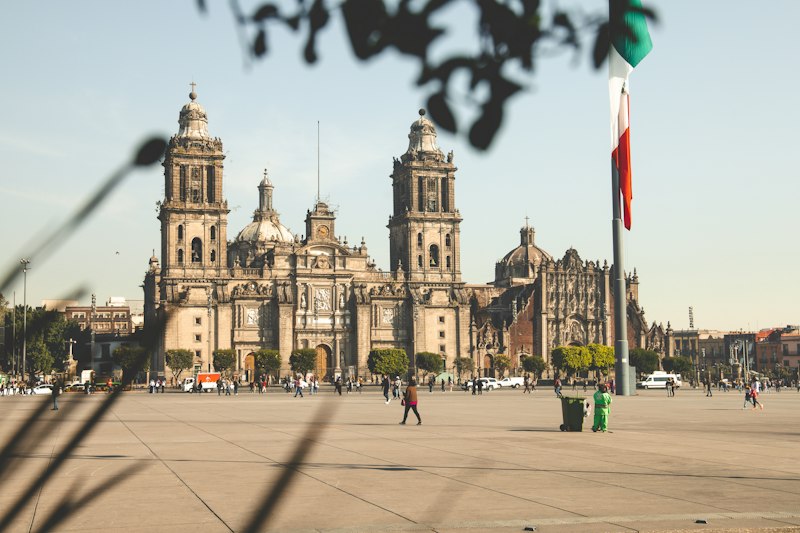
- Centro Histórico. Home to the Zócalo and historic landmarks, it's essential for first-time visitors wanting to explore the city's past.
- Polanco. Known as the upscale shopping district, it’s a favorite for luxury travelers and food enthusiasts.
- Xochimilco. Famous for its colorful canals and traditional trajineras, it's ideal for those seeking a unique cultural experience.
When to visit Mexico City
Best months: March, April, May, October, November.
The best time to visit Mexico City is from March to May, when temperatures range from 50°F to 80°F (10°C to 27°C) and you can enjoy festivals like the Feria de las Culturas Amigas. This period also sees fewer crowds than the peak season in December, and hotel prices are generally lower. Avoid the rainy season from June to September if you prefer to explore outdoors without interruptions from showers.
Getting around Mexico City
Mexico City has a comprehensive public transport system, including the Metro, which is just 5 MXN ($0.25) per ride. Buses and RTP (Red de Transporte de Pasajeros) services are also available. Taxis and rideshares like Uber are common, with average fares around 50-150 MXN ($2.50-$7.50) within central neighborhoods. The city is quite walkable, especially in areas like Roma and Condesa, but be cautious of pickpockets in crowded places.
What to eat in Mexico City
Mexico City is a UNESCO Creative City of Gastronomy. Street tacos, mole, tamales, and pulque. From street vendors to world's best restaurants.
- Tacos al Pastor. Marinated pork tacos with pineapple, best enjoyed at Taquería el Fogoncito.
- Chiles en Nogada. Stuffed poblano peppers in walnut sauce, a must-try at Casa de los Azulejos.
- Tamales. Steamed corn dough filled with various ingredients, ideal for breakfast from local street vendors.
- Mole Poblano. A rich sauce made with chocolate and spices, try it at Restaurante El Cardenal.
- Elote. Grilled corn on the cob, served with mayonnaise and cheese, found at street stalls throughout the city.
- Quesadillas. Stuffed tortillas often filled with cheese and mushrooms, available at Mercado de Coyoacán.
Street food tips
Taco stands outside metro stations for authentic tacos. Mercado de Jamaica for food. La Merced market for street food variety.
Is Mexico City safe? What to watch for
While Mexico City is generally safe, it's best to avoid neighborhoods like Tepito and some parts of Iztapalapa at night. Common scams include overcharging for services, especially in tourist areas, so always agree on prices beforehand. Keep an eye on your belongings in crowded places. For emergencies, dial 911 for police assistance.
Common scams
Express kidnappings in unmarked taxis (use Uber/DiDi). Overcharging at tourist restaurants. Fake police asking for ID.
Emergency numbers
Emergency: 911, Tourist police: 55-5250-0123
How much does Mexico City cost?
Three rough daily-spend tiers — accommodation, food, and getting around — to help you set a realistic budget.
- Budget. $40-70/day: hostel dorm, street food, public transit
- Mid-range. $70-150/day: boutique hotel, casual dining, taxis
- Luxury. $150-300+/day: upscale hotel, fine dining, private tours
Customs, etiquette, and what to wear
Local customs
Warm greetings with cheek kisses. Time is flexible. Sunday family gatherings are sacred. Day of the Dead is celebrated, not mourned.
Dress code
Smart casual. Layers useful due to altitude and temperature changes. Dress up slightly for restaurants.
Tipping
10-15% at restaurants. Tip gas station attendants, baggers at grocery stores, and valet parking.
Do's and don'ts
Do: Try street tacos, visit UNAM campus, explore Coyoacán. Don't: Drink tap water, take unmarked taxis, skip breakfast.
Common mistakes to avoid in Mexico City
The patterns that catch out first-time visitors:
- Underestimating travel times due to traffic, especially during rush hours.
- Not trying street food, which can be some of the best meals in the city.
- Ignoring cultural norms, like greeting with a handshake or a kiss on the cheek.
- Failing to carry cash, as many small vendors do not accept cards.
- Assuming all neighborhoods are safe at night without research.
- Overpacking, as the weather can be unpredictable with temperature changes.
Practical info for travelers
Visa
Many nationalities can visit visa-free for up to 180 days.
Health
Altitude sickness possible (2,240m). Drink bottled water. Ease into spicy food. Air quality can be poor on some days.
Useful local phrases
¿Qué onda? (What's up?), Buenos días (Good morning), Gracias (Thank you), Con permiso (Excuse me)
A short history of Mexico City
Built on the ruins of the Aztec capital Tenochtitlán. Over 700 years of layered history from pre-Columbian to colonial to modern.
Mexico City travel FAQs
What is the best way to get to Mexico City from the airport?
The most convenient way is to take an authorized taxi or use rideshare services like Uber, which cost around 300-500 MXN ($15-$25) depending on your destination.
Is Mexico City safe for tourists?
Yes, Mexico City is generally safe for tourists, but it's wise to stay vigilant, avoid certain neighborhoods at night, and practice common sense safety precautions.
What language is spoken in Mexico City?
Spanish is the primary language spoken in Mexico City. While many people in tourist areas may speak English, learning a few basic Spanish phrases can enhance your experience.
What currency is used in Mexico City?
The currency in Mexico City is the Mexican Peso (MXN). It's advisable to carry cash for small purchases, as some vendors do not accept cards.
What are the must-see attractions in Mexico City?
Must-see attractions include the Zócalo, Chapultepec Park, the National Museum of Anthropology, and Frida Kahlo's House in Coyoacán.
How do I use the Metro in Mexico City?
Using the Metro is straightforward: purchase a card for 15 MXN ($0.75) and load it with credit. Each ride costs 5 MXN ($0.25), and signs are in Spanish and English.
Plan your trip to Mexico City with Elvara
Once you have a sense of Mexico City, the next step is turning the inspiration into a real itinerary: dates, neighborhoods, restaurants, what to pack, and how to get around. That's exactly what Elvara is built for. Tell the app your travel style, dates, and budget, and it produces a personalized day-by-day plan, a packing list tuned to Mexico City's weather, and a chat that knows Mexico City's neighborhoods, customs, and quirks.
Plan your trip to Mexico City with Elvara
Get a personalized day-by-day itinerary, smart packing list, and on-the-ground travel intelligence.
