Cape Town Travel Guide
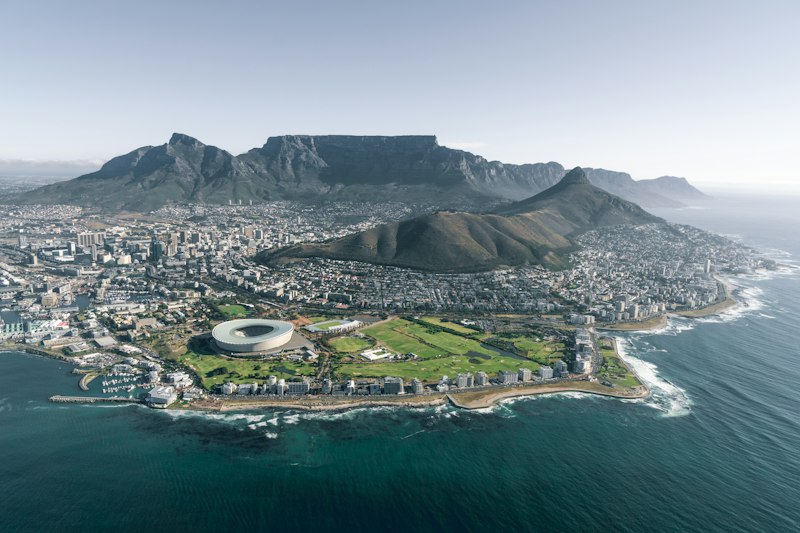
Cape Town is a vibrant city where stunning landscapes meet rich history and diverse cultures. With the iconic Table Mountain as your backdrop, you can explore beautiful beaches, world-class vineyards, and bustling markets. The blend of urban life and natural beauty makes Cape Town a must-visit destination for anyone looking to experience South Africa's unique charm.
About Cape Town
Cape Town is a vibrant city where stunning landscapes meet rich history and diverse cultures. With the iconic Table Mountain as your backdrop, you can explore beautiful beaches, world-class vineyards, and bustling markets. The blend of urban life and natural beauty makes Cape Town a must-visit destination for anyone looking to experience South Africa's unique charm.
This guide covers the neighborhoods worth your time, when to actually go, how to get around, what to eat, what it costs, and the rookie mistakes most first-timers in Cape Town make. Built to be paired with Elvara — the AI trip planner app for iPhone — so you can turn it into a personalized itinerary in a tap.
Neighborhoods to know in Cape Town
Picking the right neighborhood is the single biggest decision you'll make in Cape Town. Here's what each one is actually like:
- Bo-Kaap. Famous for its colorful houses and rich Cape Malay culture, perfect for food lovers and photographers.
- Camps Bay. Known for its stunning beach and upscale dining, ideal for those seeking a laid-back, luxurious atmosphere.
- V&A Waterfront. A bustling hub of shopping, dining, and entertainment, great for families and tourists.
- City Bowl. The heart of Cape Town, featuring historical sites and vibrant nightlife, perfect for urban explorers.
- Kirstenbosch. Home to the renowned botanical gardens, perfect for nature enthusiasts and peaceful strolls.
- Hout Bay. A picturesque fishing village known for its scenic harbor and fresh seafood, ideal for a relaxed day trip.
When to visit Cape Town
Best months: November, December, January, February, March.
The best time to visit Cape Town is from late October to early April, when temperatures range from 20°C to 30°C (68°F to 86°F). During this period, you can enjoy the warm weather, outdoor festivals like Cape Town Pride in February, and lower prices compared to the peak summer months of December and January. Crowds are more manageable in the shoulder months of October and March, making it easier to explore popular attractions.
Getting around Cape Town
Cape Town has a reliable public transport system, including the MyCiTi bus service, which costs around R50 ($3) for a single trip. Rideshares like Uber are widely available, with average fares around R100 ($6) for trips within the city. While the city is walkable in areas like the V&A Waterfront and City Bowl, be cautious at night in less populated neighborhoods and avoid using public transport late after dark.
What to eat in Cape Town
Cape Malay cuisine, braai (BBQ) culture, world-class wines from nearby Stellenbosch and Franschhoek. Seafood along the coast is exceptional.
- Bobotie. A traditional Cape Malay dish made with spiced minced meat and topped with egg custard, best enjoyed at Mama Africa.
- Biltong. A popular dried meat snack, similar to jerky, available at various markets like the Neighbourgoods Market.
- Braai. South African barbecue culture, where you can try boerewors sausages at places like The Pot Luck Club.
- Potjiekos. A slow-cooked stew made in a cast-iron pot, often found at local restaurants like The Black Sheep.
- Cape Malay curry. A fragrant and flavorful curry with roots in the local community, best sampled at The Bo-Kaap Kombuis.
- Koeksisters. A sweet, syrupy pastry that's a local favorite, available at bakeries like The Cape Malay Corner.
Street food tips
The V&A Waterfront Food Market has diverse options. Visit Bo-Kaap for Cape Malay flavors.
Is Cape Town safe? What to watch for
While Cape Town is generally safe for tourists, avoid walking alone at night in areas like the City Bowl and Bo-Kaap. Be cautious of pickpockets in crowded places such as markets and tourist attractions. Always use reputable taxi services and be wary of unsolicited help at the airport. For emergencies, dial 10111 for police assistance.
Common scams
Distraction theft at popular viewpoints. Informal parking attendants at attractions. Fake tour operators.
Emergency numbers
Emergency: 10111, Ambulance: 10177, Fire: 107
How much does Cape Town cost?
Three rough daily-spend tiers — accommodation, food, and getting around — to help you set a realistic budget.
- Budget. $40-70/day: hostel dorm, street food, public transit
- Mid-range. $100-200/day: boutique hotel, local dining, Uber rides
- Luxury. $300+/day: high-end hotel, fine dining, private tours
Customs, etiquette, and what to wear
Local customs
Greet everyone. Ubuntu philosophy of community. Braai is a social institution. Wine culture is celebrated.
Dress code
Casual and relaxed. Smart casual for wine estates and fine dining. Layered clothing for changeable weather.
Tipping
10-15% at restaurants. R10-20 for car guards. Tip safari guides and drivers.
Do's and don'ts
Do: Hike Table Mountain, visit Robben Island, try wine tasting. Don't: Flash expensive items, walk alone at night in isolated areas.
Common mistakes to avoid in Cape Town
The patterns that catch out first-time visitors:
- Underestimating the wind at the beach; it can be quite strong and chilly even in summer.
- Not booking Table Mountain tickets in advance; queues can be long during peak seasons.
- Ignoring local customs; always greet locals politely and respect cultural practices.
- Staying only in tourist areas and missing out on authentic local experiences.
- Assuming all neighborhoods are safe at night; do your research before heading out after dark.
- Overpacking; Cape Town has a varied climate, so check the weather before you go.
- Neglecting sun protection; the sun can be intense even on overcast days.
Practical info for travelers
Visa
Many nationalities can visit visa-free for 90 days. Check with South African embassy.
Health
Tap water in Cape Town is safe. Sunscreen essential. Check malaria requirements if traveling to other regions.
Useful local phrases
Howzit (informal), Molo (Xhosa hello), Hoe gaan dit (Afrikaans how are you)
A short history of Cape Town
Indigenous Khoisan people were the first inhabitants. Dutch settlement began in 1652. Complex history through apartheid to democracy in 1994.
Cape Town travel FAQs
What is the best way to get from Cape Town International Airport to the city center?
The most convenient way is to use the MyCiTi bus service, which costs around R100 ($6) and takes about 30-40 minutes. Alternatively, take an Uber, which usually costs between R250-R350 ($15-$20) depending on traffic.
Is it safe to hike Table Mountain?
Yes, it is generally safe to hike Table Mountain, especially during daylight hours. Stick to well-marked trails and avoid hiking alone. Always check the weather beforehand as conditions can change rapidly.
What’s the currency used in Cape Town?
The currency used in Cape Town is the South African Rand (ZAR). As of October 2023, 1 USD is approximately 18 ZAR. Credit cards are widely accepted, but it's good to have some cash for small purchases.
What are the must-see attractions in Cape Town?
Must-see attractions include Table Mountain, the V&A Waterfront, Robben Island, Cape Point, and the beautiful beaches of Camps Bay and Clifton. Each offers unique experiences and stunning views.
What should I wear in Cape Town?
Dress is generally casual, but it's wise to bring layers as temperatures can vary throughout the day. Comfortable shoes are essential for walking or hiking, and don’t forget a hat and sunscreen for sunny days.
Are there any local festivals in Cape Town?
Yes, Cape Town hosts several festivals throughout the year, such as the Cape Town International Jazz Festival in March and the Cape Town Pride Festival in February, showcasing the city's vibrant arts and culture.
Plan your trip to Cape Town with Elvara
Once you have a sense of Cape Town, the next step is turning the inspiration into a real itinerary: dates, neighborhoods, restaurants, what to pack, and how to get around. That's exactly what Elvara is built for. Tell the app your travel style, dates, and budget, and it produces a personalized day-by-day plan, a packing list tuned to Cape Town's weather, and a chat that knows Cape Town's neighborhoods, customs, and quirks.
Plan your trip to Cape Town with Elvara
Get a personalized day-by-day itinerary, smart packing list, and on-the-ground travel intelligence.
