London Travel Guide
London is a vibrant city where history and modernity coexist seamlessly. From the iconic Big Ben to the trendy markets of Camden, every corner has a story to tell. You’ll find world-class museums, diverse culinary experiences, and unique neighborhoods that reflect the city’s rich tapestry. Whether you're a first-time visitor or a seasoned traveler, London's charm will keep you coming back for more.
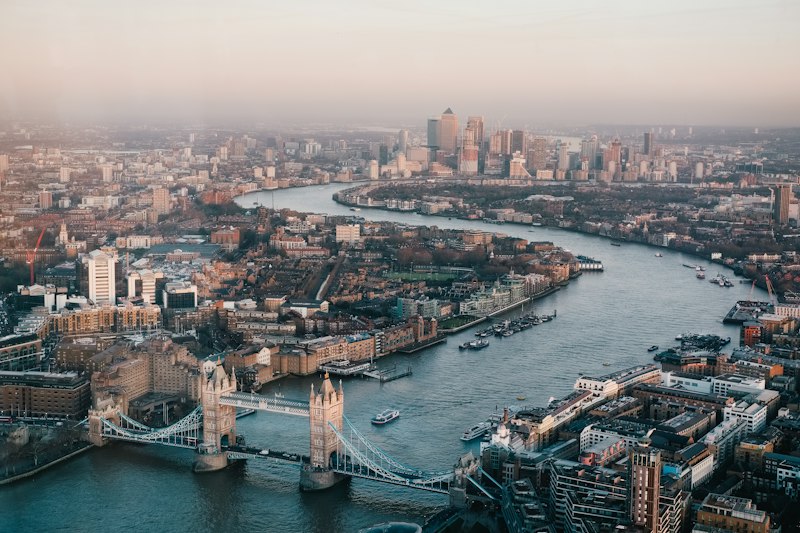
About London
London is a vibrant city where history and modernity coexist seamlessly. From the iconic Big Ben to the trendy markets of Camden, every corner has a story to tell. You’ll find world-class museums, diverse culinary experiences, and unique neighborhoods that reflect the city’s rich tapestry. Whether you're a first-time visitor or a seasoned traveler, London's charm will keep you coming back for more.
This guide covers the neighborhoods worth your time, when to actually go, how to get around, what to eat, what it costs, and the rookie mistakes most first-timers in London make. Built to be paired with Elvara — the AI trip planner app for iPhone — so you can turn it into a personalized itinerary in a tap.
Neighborhoods to know in London
Picking the right neighborhood is the single biggest decision you'll make in London. Here's what each one is actually like:
- Covent Garden. Known for its lively atmosphere, street performances, and shopping.
- Shoreditch. Famous for its hipster vibe, street art, and vibrant nightlife.
- Southbank. Home to cultural venues like the Tate Modern and the London Eye.
- Notting Hill. Renowned for its colorful houses and the Portobello Road Market.
- Greenwich. Famous for maritime history and the Prime Meridian.
- Kensington. Known for its beautiful parks and the Victoria and Albert Museum.
When to visit London
Best months: May, June, July, August, September.
The best time to visit London is from March to May and September to November. During spring, temperatures range from 10-17°C (50-63°F), and you can enjoy blooming gardens and fewer crowds. Fall offers milder weather and vibrant autumn colors. In summer (June to August), expect highs of 18-25°C (64-77°F), but it’s often crowded and pricier. Winter can be chilly, with temperatures around 2-8°C (36-46°F), but festive lights add charm.
Getting around London
London has an extensive public transport system, including the Tube, buses, and trains. The Oyster card makes travel convenient and economical, with average fares around £2.40 ($3) per trip. Taxis and rideshares like Uber are available, with typical fares starting at £15 ($19) for short rides. The city is walkable, especially in central areas, but avoid rush hour to dodge crowded trains.
What to eat in London
London's food scene has transformed. From traditional fish and chips to Michelin-starred restaurants, Borough Market, and diverse international cuisines.
- Fish and Chips. Battered fish served with chips, best enjoyed at The Golden Hind in Marylebone.
- Full English Breakfast. A hearty meal including eggs, sausages, bacon, and beans, served at The Breakfast Club.
- Sunday Roast. A traditional meal with roasted meat and vegetables, popular at The Fox & Anchor.
- Pie and Mash. A comforting dish of meat pie served with mashed potatoes, try it at Mother Mash.
- Pimm's Cup. A refreshing summer drink made with Pimm's No. 1 and fruit, found at various pubs.
- Afternoon Tea. A quintessentially British experience with tea, scones, and pastries, available at The Ritz.
Street food tips
Borough Market is a food lover's dream. Camden Market has excellent street food. Brick Lane for curry.
Is London safe? What to watch for
London is generally safe, but it’s wise to avoid areas like parts of Westminster and certain parts of South London at night. Be cautious of pickpockets, especially in crowded areas like Oxford Street and on the Tube. Common scams include overcharging by taxi drivers; always use licensed taxis or rideshare apps. In case of emergencies, dial 999 for police, fire, or medical assistance.
Common scams
Three-card monte on bridges. Fake charity collectors. Overcharging at tourist-trap restaurants.
Emergency numbers
Emergency: 999 or 112, Non-emergency police: 101
How much does London cost?
Three rough daily-spend tiers — accommodation, food, and getting around — to help you set a realistic budget.
- Budget. $40-70/day: hostel dorm, street food, public transit
- Mid-range. $100-200/day: boutique hotels, dining at casual restaurants, local attractions
- Luxury. $300+/day: five-star hotels, fine dining, private tours
Customs, etiquette, and what to wear
Local customs
Queue properly. Stand on the right on escalators. Say please and thank you generously.
Dress code
Smart casual for most occasions. Slightly more formal for West End shows and upscale restaurants. Layers recommended for unpredictable weather.
Tipping
10-12.5% at restaurants if service not included. Round up for taxis. £1 per bag for hotel porters.
Do's and don'ts
Do: Visit free museums, use the Tube, try a Sunday roast. Don't: Skip queues, stand on the left of escalators.
Common mistakes to avoid in London
The patterns that catch out first-time visitors:
- Overlooking the importance of an Oyster card for public transport savings.
- Assuming all attractions are free without checking for special exhibitions or events.
- Ignoring local dining options and just sticking to tourist traps.
- Not checking the weather before packing, as it can be unpredictable.
- Underestimating travel times due to London’s traffic and public transport delays.
- Failing to explore less touristy neighborhoods for a more authentic experience.
Practical info for travelers
Visa
Separate from Schengen. Many nationalities can visit for 6 months visa-free.
Health
NHS provides emergency care. European visitors should check post-Brexit healthcare agreements. Tap water is safe.
Useful local phrases
Hello, Cheers (informal thanks), Lovely to meet you
A short history of London
Founded by Romans as Londinium in 43 AD. Survived the Great Fire of 1666, the Blitz of WWII, and has been a global center of trade, culture, and politics for centuries.
London travel FAQs
What is the best way to get from Heathrow to central London?
The Heathrow Express train is the fastest option, taking about 15 minutes to Paddington Station. Alternatively, the Tube (Piccadilly Line) takes around 50 minutes and is more economical.
Do I need to book attractions in advance?
It's advisable to book popular attractions like the London Eye or the Tower of London in advance to avoid long queues and secure time slots.
What is the legal drinking age in London?
The legal drinking age in London is 18 years old, and you may be asked for ID if you look under 25.
Is London safe for solo travelers?
Yes, London is relatively safe for solo travelers, but it's important to stay aware of your surroundings and avoid poorly lit areas at night.
Where can I find free things to do in London?
Many museums like the British Museum and the National Gallery are free, as are parks such as Hyde Park and Regent's Park. Street markets are also great for browsing.
What is the best way to experience London’s nightlife?
Explore neighborhoods like Shoreditch and Soho for vibrant nightlife, with plenty of pubs, bars, and clubs catering to various tastes.
Plan your trip to London with Elvara
Once you have a sense of London, the next step is turning the inspiration into a real itinerary: dates, neighborhoods, restaurants, what to pack, and how to get around. That's exactly what Elvara is built for. Tell the app your travel style, dates, and budget, and it produces a personalized day-by-day plan, a packing list tuned to London's weather, and a chat that knows London's neighborhoods, customs, and quirks.
Plan your trip to London with Elvara
Get a personalized day-by-day itinerary, smart packing list, and on-the-ground travel intelligence.
