Tokyo Travel Guide
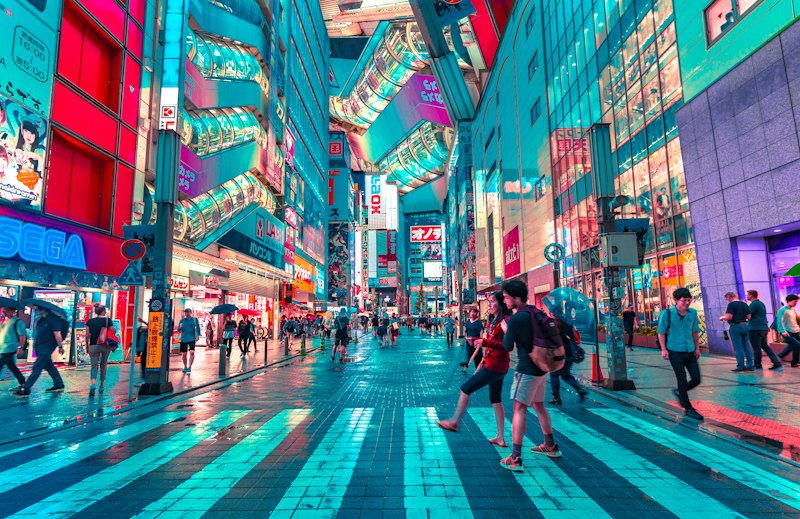
Tokyo is a vibrant mix of tradition and futuristic technology, where ancient temples coexist with towering skyscrapers. The city’s diverse neighborhoods each offer a unique slice of Japanese culture, from the bustling streets of Shibuya to the serene gardens of Ueno. As a friend who's roamed its streets, I can assure you that Tokyo is a place where every corner holds a new adventure waiting to be discovered.
About Tokyo
Tokyo is a vibrant mix of tradition and futuristic technology, where ancient temples coexist with towering skyscrapers. The city’s diverse neighborhoods each offer a unique slice of Japanese culture, from the bustling streets of Shibuya to the serene gardens of Ueno. As a friend who's roamed its streets, I can assure you that Tokyo is a place where every corner holds a new adventure waiting to be discovered.
This guide covers the neighborhoods worth your time, when to actually go, how to get around, what to eat, what it costs, and the rookie mistakes most first-timers in Tokyo make. Built to be paired with Elvara — the AI trip planner app for iPhone — so you can turn it into a personalized itinerary in a tap.
Neighborhoods to know in Tokyo
Picking the right neighborhood is the single biggest decision you'll make in Tokyo. Here's what each one is actually like:
- Shibuya. Famous for its iconic scramble crossing and youth culture, perfect for shopping and nightlife.
- Shinjuku. A bustling business district known for its skyscrapers and vibrant nightlife, ideal for nightlife enthusiasts.
- Asakusa. Home to Senso-ji Temple, this area offers a glimpse of traditional Japan amidst street vendors and cultural sites.
- Harajuku. The heart of youth fashion and culture, known for quirky shops and the famous Takeshita Street.
- Akihabara. The center of otaku culture, famous for electronics shops, anime, and manga stores.
- Ueno. Features Ueno Park and several museums, ideal for families and culture lovers.
- Ginza. Tokyo's upscale shopping district, known for luxury boutiques and fine dining experiences.
When to visit Tokyo
Best months: March, April, October, November.
The best time to visit Tokyo is from March to May and September to November. During spring, cherry blossoms bloom, creating picturesque parks, while autumn offers stunning foliage. Average temperatures range from 10°C (50°F) in March to 20°C (68°F) in May. Festivals like Hanami in April attract crowds, but visiting during these months means mild weather and vibrant cultural experiences without overwhelming tourist numbers.
Getting around Tokyo
Tokyo's public transit system is efficient and extensive, primarily using trains and subways like the JR Yamanote Line and Tokyo Metro. A single fare typically ranges from 200 to 400 yen ($1.50 to $3.00). Taxis start at around 410 yen ($3.00) and can be expensive, especially late at night. The city is walkable, but avoid the last train during peak hours to skip crowded rides.
What to eat in Tokyo
Tokyo is a culinary paradise with more Michelin stars than any other city. Must-try dishes include fresh sushi at Tsukiji, ramen in every neighborhood, tempura, and wagyu beef. Street food like takoyaki and yakitori is exceptional.
- Sushi. Fresh fish served over vinegared rice, best enjoyed at Tsukiji Outer Market.
- Ramen. Noodle soup with various broths, recommended at Ichiran Ramen in Shibuya.
- Okonomiyaki. Savory pancake filled with various ingredients, try it at Chibo in Shibuya.
- Takoyaki. Fried balls of dough filled with octopus, often found at street stalls in Dotonbori.
- Tempura. Batter-fried seafood and vegetables, sample it at Tempura Tenichi in Ginza.
- Matcha Ice Cream. Creamy green tea-flavored ice cream, popular at various kiosks in Harajuku.
- Miso Soup. Traditional soup made with fermented soybean paste, often served with meals at local izakayas.
Street food tips
Visit Ameya-Yokocho market for street food. Konbini (convenience stores) have surprisingly excellent food. Yatai (food stalls) near festivals are must-visits.
Is Tokyo safe? What to watch for
Tokyo is one of the safest cities globally, but it’s wise to stay cautious in areas like Kabukicho in Shinjuku, especially at night. Common scams include overpriced taxis that may not use meters, so always confirm the fare beforehand. For emergencies, dial 110 for police and 119 for fire or medical services.
Common scams
Generally very safe from scams. Watch for overpriced tourist-area restaurants. Some bars in Kabukicho may have hidden charges.
Emergency numbers
Police: 110, Ambulance/Fire: 119, Tourist helpline: 03-3201-3331
How much does Tokyo cost?
Three rough daily-spend tiers — accommodation, food, and getting around — to help you set a realistic budget.
- Budget. $40-70/day: hostel dorm, street food, public transit
- Mid-range. $100-200/day: mid-range hotels, casual dining, local attractions
- Luxury. $300+/day: upscale hotels, fine dining, private guides
Customs, etiquette, and what to wear
Local customs
Bow when greeting. Use chopsticks properly. Don't talk loudly on trains. Queue orderly. Remove shoes indoors.
Dress code
Generally smart casual. Modest clothing recommended for temples. Business settings require formal attire. Avoid showing too much skin in traditional areas.
Tipping
Tipping is not customary and can be considered rude. Service charges are included. Exceptional service is simply expected.
Do's and don'ts
Do: Bow respectfully, try local food, be punctual. Don't: Tip at restaurants, eat while walking, talk loudly on public transport.
Common mistakes to avoid in Tokyo
The patterns that catch out first-time visitors:
- Underestimating the amount of walking required, so wear comfortable shoes.
- Not having cash on hand, as some places don’t accept credit cards.
- Failing to learn basic Japanese phrases, which can enhance your interactions.
- Ignoring local etiquette, like bowing and removing shoes indoors.
- Overpacking your itinerary, as Tokyo's attractions can be time-consuming to navigate.
- Assuming all restaurants have English menus; research beforehand for menus in English.
- Not checking train schedules, especially for the last train home.
Practical info for travelers
Visa
Many countries have visa-free entry for 90 days. Check with Japanese embassy for specific requirements.
Health
Tap water is safe to drink. Healthcare is excellent but expensive without insurance. Pharmacies are well-stocked.
Useful local phrases
Konnichiwa (Hello), Arigatou gozaimasu (Thank you), Sumimasen (Excuse me)
A short history of Tokyo
Originally a small fishing village called Edo, Tokyo became the political center of Japan in 1603 when Tokugawa Ieyasu established his shogunate here. After the Meiji Restoration in 1868, it was renamed Tokyo.
Tokyo travel FAQs
What is the best way to get from Narita Airport to Tokyo?
The Narita Express train is the most convenient option, taking about 60 minutes to reach Tokyo Station for around 3,000 yen ($22). Alternatively, consider the Airport Limousine Bus for a direct route to major hotels.
Do I need a Japan Rail Pass for Tokyo?
The Japan Rail Pass is beneficial if you plan to travel outside Tokyo. For city travel, regular tickets are often more cost-effective.
Is it safe to walk around Tokyo at night?
Yes, Tokyo is generally safe at night, but avoid certain areas like Kabukicho in Shinjuku. Always stay aware of your surroundings.
What is the tipping etiquette in Tokyo?
Tipping is not customary in Japan and can be seen as rude; instead, show appreciation through polite service.
How much does a meal cost in Tokyo?
A budget meal can cost around 1,000 yen ($7), while mid-range dining typically costs between 3,000-6,000 yen ($22-$45) per person.
What should I wear in Tokyo?
Dress smart-casual, as Tokyoites tend to be fashionable. Layers are ideal, especially during spring and autumn.
Can I use my credit card in Tokyo?
Many larger establishments accept credit cards, but smaller shops and restaurants may only take cash, so always carry yen.
Plan your trip to Tokyo with Elvara
Once you have a sense of Tokyo, the next step is turning the inspiration into a real itinerary: dates, neighborhoods, restaurants, what to pack, and how to get around. That's exactly what Elvara is built for. Tell the app your travel style, dates, and budget, and it produces a personalized day-by-day plan, a packing list tuned to Tokyo's weather, and a chat that knows Tokyo's neighborhoods, customs, and quirks.
Plan your trip to Tokyo with Elvara
Get a personalized day-by-day itinerary, smart packing list, and on-the-ground travel intelligence.
