Mauritius Travel Guide
A tropical island paradise of turquoise lagoons, lush mountains, and a unique blend of Indian, African, and French cultures.
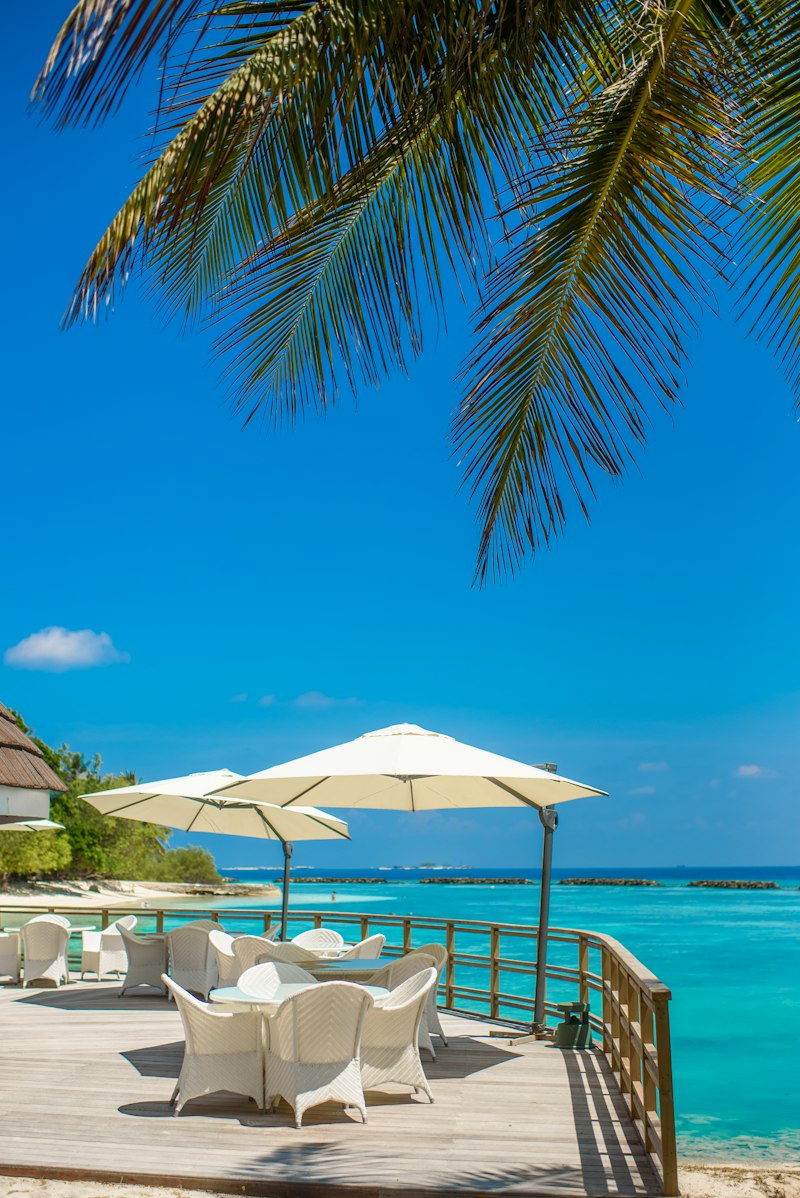
About Mauritius
A tropical island paradise of turquoise lagoons, lush mountains, and a unique blend of Indian, African, and French cultures.
This guide covers the neighborhoods worth your time, when to actually go, how to get around, what to eat, what it costs, and the rookie mistakes most first-timers in Mauritius make. Built to be paired with Elvara — the AI trip planner app for iPhone — so you can turn it into a personalized itinerary in a tap.
When to visit Mauritius
Best months: May, June, September, October, November.
**Travel Information: Weather in Mauritius** Mauritius, an idyllic island nation located in the Indian Ocean, is known for its stunning beaches, vibrant culture, and lush landscapes. The climate here is tropical, characterized by warm temperatures year-round, but with distinct wet and dry seasons. Here's a comprehensive overview of the weather in Mauritius to help you plan your visit: ### Climate Overview - **Seasons**: - **Summer**: November to April - **Winter**: May to October ### Temperature - **Summer (November to April)**: - Average daytime temperatures range from 25°C to 33°C (77°F to 91°F). - Nights are warm, with temperatures typically around 20°C to 24°C (68°F to 75°F). - **Winter (May to October)**: - Average daytime temperatures range from 20°C to 28°C (68°F to 82°F). - Nights can get cooler, dropping to around 15°C to 18°C (59°F to 64°F). ### Rainfall - **Summer (November to April)**: - This period experiences the most rainfall, with January and February being the wettest months. Heavy showers and thunderstorms are common, especially in the interior regions. - Average monthly precipitation can vary between 100 mm to 230 mm (around 4 to 9 inches). - **Winter (May to October)**: - This season is typically dry, with less rain and periodic cool winds. July and August see the least amount of rainfall, averaging about 50 mm to 100 mm (around 2 to 4 inches). ### Humidity - The humidity in Mauritius is relatively high, especially during the summer months, often ranging from 70% to 90%. The coastal areas tend to be more humid than the inland regions. ### Cyclone Season - Mauritius is in the cyclone belt, particularly from January to March. While cyclones are not guaranteed every year, it is crucial to keep an eye on weather forecasts if traveling during this period. The government provides warnings and advisories for extreme weather. ### Best Time to Visit - The best times to visit Mauritius are during the winter months (May to October) when the weather is cooler and drier, making it ideal for outdoor activities and exploring the island. This period is perfect for beach visits, hiking, and other adventures without the concern of heat and humidity. ### Tips for Travelers - **Clothing**: Light, breathable clothing is advisable year-round. In winter, it’s good to pack a light jacket or sweater for cooler evenings, particularly in the central highlands. - **Sun Protection**: The sun is strong throughout the year. Sunscreen, hats, and sunglasses are essential, especially during the summer months. - **Tropical Showers**: If traveling from November to April, be prepared for sudden rain showers. A light raincoat or umbrella can be useful. - **Stay Informed**: Always check local weather forecasts before your travel date and remain updated on any cyclone warnings if visiting during the cyclone season. With its beautiful weather, Mauritius offers an attractive destination for travelers seeking relaxation, adventure, and natural beauty. Plan accordingly, and enjoy your stay on this enchanting island!
What to eat in Mauritius
**Food in Mauritius: A Comprehensive Guide** Mauritius is a vibrant melting pot of cultures, which is beautifully reflected in its culinary landscape. The island's food scene is a fusion of Indian, French, Creole, Chinese, and African influences, resulting in a rich variety of flavors and dishes. Here’s a detailed look at what to expect when it comes to food in Mauritius. ### Local Cuisine Highlights 1. **Dholl Puri** - A quintessential Mauritian street food, dholl puri is a soft, thin flatbread made from yellow split peas. It is typically served with dal (lentil curry), chutney, and pickles. Street vendors often sell it hot and fresh, making it a convenient and tasty option. 2. **Roti** - This is another popular flatbread, similar to Indian-style chapati. It is often stuffed with a variety of ingredients such as spiced potatoes or vegetables and is commonly served with curry. 3. **Biryani** - This flavorful rice dish highlights the Indian influence on Mauritian cuisine. Mauritian biryani often includes marinated meat (such as chicken or lamb), potatoes, and a blend of spices, cooked together for a rich and aromatic meal. 4. **Fish Vindaye** - A traditional Creole dish, fish vindaye consists of fried fish marinated in mustard, vinegar, and spices. It's served with rice and lends a unique tangy flavor. 5. **Rougaille** - A Creole-style stew often made with tomatoes, onions, and garlic, rougaille can include various proteins, such as fish, chicken, or sausages. It's a staple in many households. 6. **Boulettes** - These are dumplings made from various ingredients like fish, meat, or vegetables, often served in a light broth. They are greatly enjoyed as appetizers or snacks. 7. **Gateau Piments** - These are spicy chili cakes made from split peas, herbs, and green chilies. They're deep-fried until golden brown and are a common street snack. 8. **Poul Frit** - Fried chicken is a popular choice, often marinated in local spices before being deep-fried to perfection. It is typically served with rice and various sides. ### Desserts and Snacks - **Napolitaine** - A delightful pastry made from two layers of soft dough with a sweet filling, often jam or marzipan, sandwiched in between. It's commonly enjoyed with tea or as an afternoon snack. - **Alouda** - A refreshing drink made from milk, basil seeds, and agar-agar, flavored with vanilla or rose syrup. It's especially popular in the hot months. ### Dining Options 1. **Street Food** - The best way to experience local cuisine is through street food vendors found throughout cities and towns. Look for busy stalls for the best quality and flavor. 2. **Casual Dining** - Casual restaurants and food courts offering a variety of dishes from different cultures are widely available. Many places have menus in English and French. 3. **Fine Dining** - For a more upscale dining experience, hotels and resorts often feature high-end restaurants with exquisite Mauritian and international dishes. Reservations are recommended. 4. **Local Markets** - Visiting local markets (like the Central Market in Port Louis) is a fantastic way to taste street food and buy fresh produce, spices, and food items to take home. Market stalls often sell traditional snacks and drinks. ### Practical Tips - **Dietary Restrictions**: Most restaurants accommodate vegetarian and vegan diets, but it's good to clarify ingredients, especially with dishes that may contain hidden animal products, like stock in sauces. - **Spice Level**: Mauritian food can be spicy. If you're sensitive to heat, it’s advisable to ask for less spice when ordering. - **Safety**: Eating at well-frequented stalls and restaurants is generally safe. Drinking bottled water is recommended for visitors. - **Currency**: Have some Mauritian Rupees (MUR) on hand for street food and casual dining, as some smaller vendors might not accept credit cards. - **Culinary Experiences**: Consider taking a cooking class or food tour to delve deeper into the unique culinary traditions of Mauritius. ### Conclusion Mauritius offers a rich tapestry of flavors and culinary experiences that reflect its diverse culture. Whether you opt for street food, local eateries, or upscale dining, you’re sure to enjoy the island's unique and delicious dishes. Be open to exploring and savoring the local cuisine, and you may find some unforgettable tastes and memories along the way.
Is Mauritius safe? What to watch for
### Travel Safety Information for Mauritius #### General Safety Overview Mauritius is considered a safe destination for tourists. The crime rate is relatively low compared to other destinations, and violent crime is rare. However, like in any tourist destination, travelers should exercise caution and be aware of their surroundings. #### Crime - **Petty Crime**: The most common issues involve petty crime, such as pickpocketing, bag snatching, and theft from hotel rooms. Tourists should be vigilant in crowded places and secure their belongings. - **Scams**: Be wary of scams, particularly around popular tourist sites. Avoid engaging with overly persistent individuals offering unsolicited assistance or services. - **Personal Safety**: Violent crime is uncommon, but it’s advised to avoid walking alone late at night, especially in deserted areas. #### Transportation Safety - **Road Safety**: Driving is on the left side of the road. Be cautious as some local drivers may not adhere to traffic rules. Roads can be narrow, winding, and poorly lit at night. - **Public Transport**: Public buses are generally safe but can be crowded. Consider using reputable taxi services or rideshare apps for convenience and safety. - **Beach Safety**: While many beaches are safe, caution should be exercised regarding strong currents, especially at less-populated beaches. #### Health and Medical Safety - **Healthcare Facilities**: Mauritius has good healthcare facilities in urban areas, but emergency services may be limited in rural regions. Ensure you have travel insurance that covers medical expenses. - **Vaccinations**: Ensure routine vaccinations are up to date. Depending on your travel history, consider vaccinations for hepatitis A, hepatitis B, and typhoid. Consult with a healthcare provider for personalized advice. - **Food and Water Safety**: Tap water is generally safe to drink in major areas, but bottled water is recommended. Be cautious with street food; choose vendors that appear clean and busy. #### Natural Disaster Safety - **Cyclones**: Mauritius is located in the South West Indian Ocean and can experience cyclones from November to April. Stay informed about weather conditions during this season and adhere to local advice. - **Earthquakes**: The region can experience minor earthquakes, but serious events are rare. Familiarize yourself with safety protocols in case of an earthquake. #### Cultural Considerations - **Respect Local Customs**: Mauritius is a multicultural society with a mix of religions and traditions. Dress modestly, especially when visiting religious sites, and be respectful of local customs and traditions. - **Photography**: Always ask permission before photographing people, especially in rural areas or during religious ceremonies. #### Emergency Contacts - **Local Authorities**: For emergencies, dial 999 for police, 114 for fire, and 115 for ambulance services. - **Embassy Contacts**: Keep the contact information of your home country’s embassy or consulate handy in case of emergencies or lost passports. #### Travel Insurance - Ensure you have comprehensive travel insurance that includes coverage for theft, medical emergencies, and cancellations. This will provide added peace of mind during your travels. #### Conclusion While Mauritius is generally a safe travel destination, it's important to stay alert and take practical safety precautions. By being aware of your surroundings, respecting local customs, and planning ahead, you can enjoy a wonderful and secure visit to this beautiful island.
Plan your trip to Mauritius with Elvara
Once you have a sense of Mauritius, the next step is turning the inspiration into a real itinerary: dates, neighborhoods, restaurants, what to pack, and how to get around. That's exactly what Elvara is built for. Tell the app your travel style, dates, and budget, and it produces a personalized day-by-day plan, a packing list tuned to Mauritius's weather, and a chat that knows Mauritius's neighborhoods, customs, and quirks.
Plan your trip to Mauritius with Elvara
Get a personalized day-by-day itinerary, smart packing list, and on-the-ground travel intelligence.
